
Understanding Autism: Social, Communication, and Sensory Differences
Clear, practical explanations to help you support your child’s unique way of relating, communicating, and experiencing the world.
About this course
Children on the autism spectrum often experience the world in rich and complex ways. They may communicate differently, rely on routines, or respond strongly to sound, touch, or change. For many parents, these differences are confusing—not because anything is “wrong” with their child, but because most parenting advice doesn’t speak to this kind of development.
This course is designed to give you a grounded, understandable picture of autism in childhood. Rather than focusing only on a checklist of symptoms, we look at how social connection, communication, play, and sensory life unfold over time. You’ll learn what autism means in real, everyday terms and how to support your child’s growth without losing yourself in conflicting opinions or online noise.
Watching your child navigate the world with autism can feel both inspiring and challenging.
You might have read articles, listened to professionals, or talked with other parents and still feel unsure. Many parents quietly wonder if they’re missing something important. You may find yourself:
- Wondering whether what you’re seeing is “typical” development or part of autism
- Trying to understand why your child seems more comfortable with routines than with new activities
- Noticing strong reactions to sound, touch, clothing, or changes in schedule
- Feeling uncertain about how to support friendships, play, or back-and-forth conversation
- Hearing different advice from teachers, doctors, and family members—and not knowing who to trust
You’re not alone in this. This course offers a steady, thoughtful framework so you can move from uncertainty to a clearer understanding of your child.
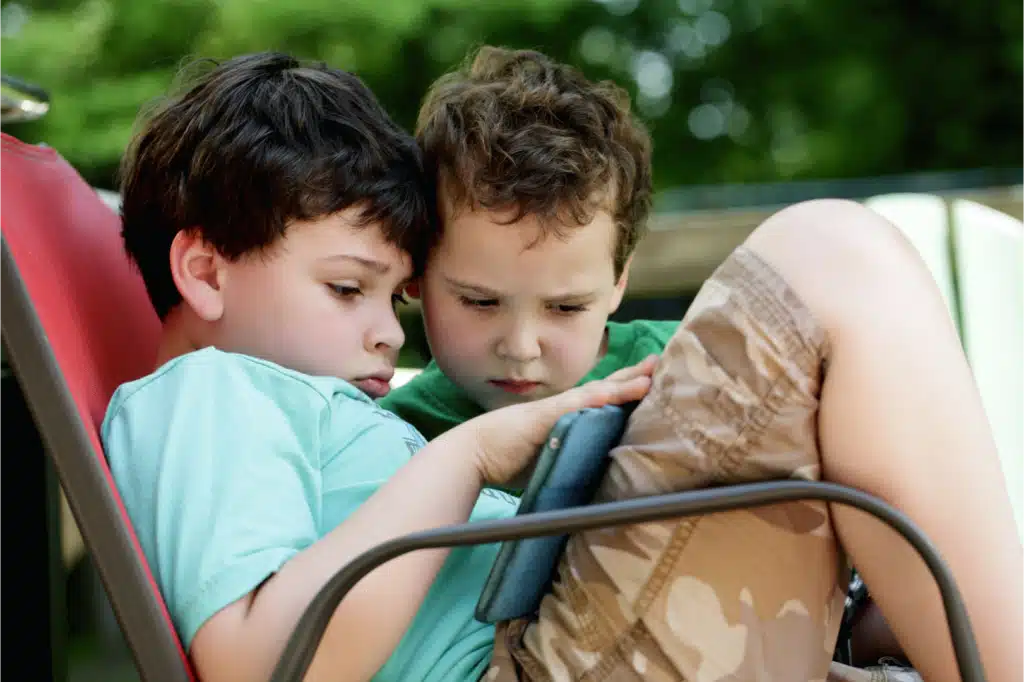
Supporting your child, one step at a time
The goal of this course is not to “fix” your child, but to help you understand them more deeply and respond with confidence.
As you move through the lessons, you’ll gain:
- A clearer picture of how autism fits within your child’s overall development
-
Language to describe what you’re seeing in ways that make sense to teachers, family, and providers
-
Practical ideas for handling everyday situations that are currently stressful or confusing
-
A more grounded sense of what to expect over time—without false promises or alarm
What you’ll learn
Recognizing Early Social and Communication Differences
Learn how early signs of autism can appear in eye contact, play, interests, and interaction—and what they may mean for your child’s development.
Understanding Sensory Experiences
Explore why certain sounds, textures, movements, or changes can feel overwhelming or deeply comforting, and how to help your child feel more at ease.
Supporting Emotional Security
See how predictability, attuned responses, and realistic expectations help your child feel safe, understood, and more open to connection.
Nurturing Communication in Everyday Life
Discover ways to support communication through routines, shared interests, gestures, and language—meeting your child where they are.
Social Connections and Play
Understand how autistic children may approach friendship and play differently, and how you can gently support interaction without forcing it.
Working with Services and Supports
Get an overview of common therapies and school supports, and how to think about them in relation to your child’s needs and temperament.
Every child’s autism journey is unique, and with the right tools, you can provide the support they need to grow with confidence and joy.
What Parents Say About Pathformers
When searching for information about children’s emotions and behavior, we often felt overwhelmed and unsure where to begin. Pathformers offered explanations that made sense of what we were seeing at home, and it immediately helped us feel more grounded. The way the concepts are broken down feels calm, clear, and reassuring — like someone is finally helping us understand the bigger picture rather than leaving us to guess. The process for getting started is simple, and the lessons helped us approach our child’s challenges with more confidence and less fear. For any parent trying to better understand what might be shaping their child’s emotional world, Pathformers is an invaluable resource.

Kristyn and Laron J.
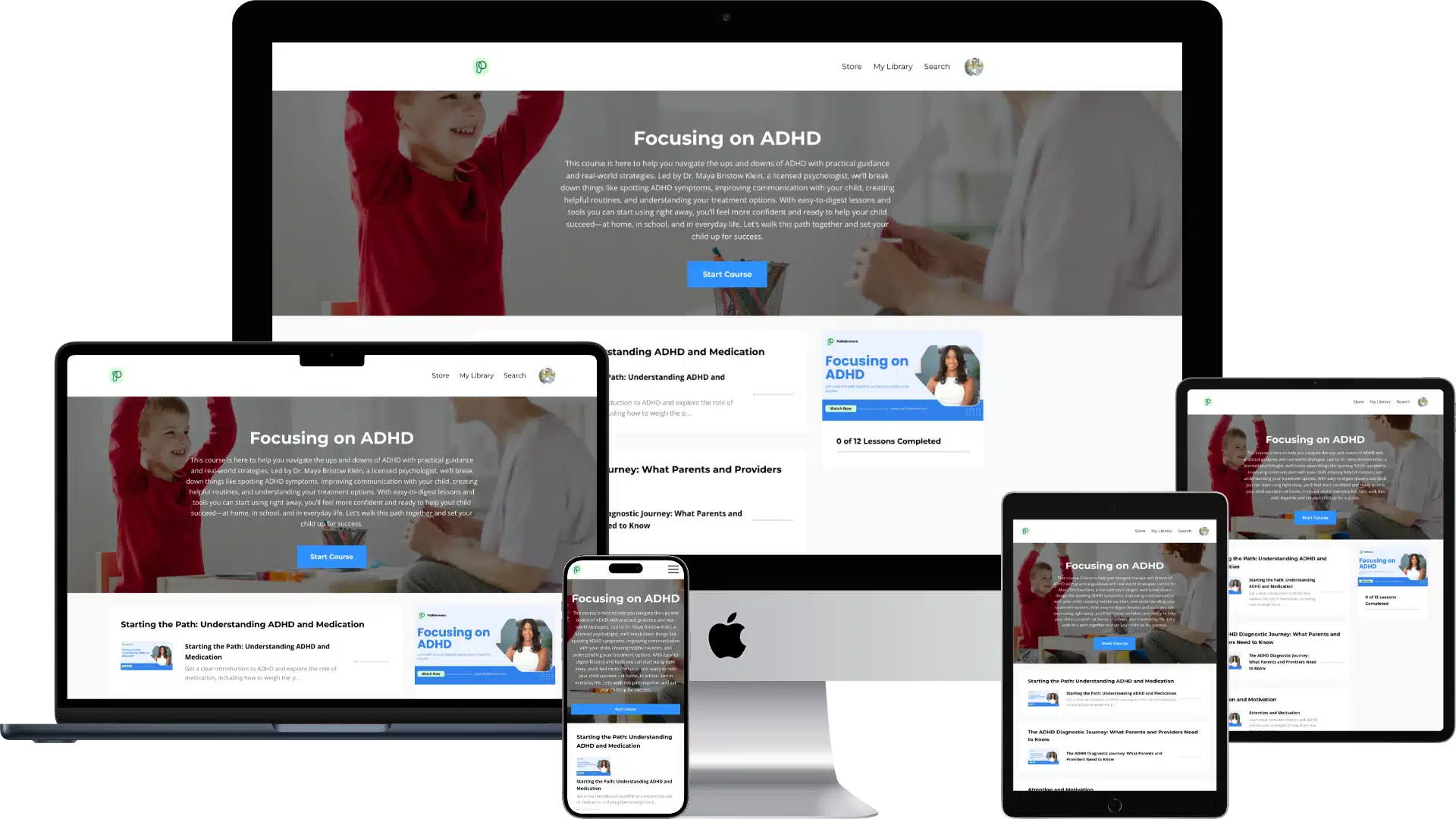
I explored Pathformers on both my phone and my computer, and the desktop experience really stood out. The design is beautiful, and the diverse family photos and videos capture the richness of everyday family life. The topics are genuinely useful, and navigating the site is seamless — I especially appreciated the filters that stay in place as you browse. Dr. Klein explains complicated ideas in a way that feels clear and relatable, which I think will resonate with a wide audience, not just parents. I’m excited to share it with my colleagues — we’re always looking for meaningful ‘lunch and learn’ content, and I can see Pathformers being a great fit.

Jamie and Kevin T.
I’m so grateful for the Pathformers initiative. When talking with friends who have children, we’re constantly asking ourselves what behaviors are typical, what might need attention, and how to make sense of the day-to-day challenges kids face. What has always struck me is how little developmental or emotional information parents often receive from pediatric visits. Pathformers gives us a reliable place to turn for clear, research-based explanations that help us understand what we’re seeing in our children. It’s been incredibly reassuring to finally have information we can trust.

Patricia and Aldo B.
Pathformers is an exceptionally well-designed platform with an intuitive, seamless user experience. As someone who works closely with parents, I deeply appreciate how thoughtfully the material is organized and how accessible the content is. Beyond its polished look, the platform offers clear, research-informed explanations that help parents make sense of their children’s development and behavior. Dr. Klein presents complex ideas in a way that feels grounded, relatable, and respectful of parents’ real concerns. For families looking for trustworthy information about child development, Pathformers provides an invaluable place to learn and reflect. I’m excited to see how this resource continues to grow and support parents in meaningful ways!

Shayda M.
What’s in the Course
Dr. Maya Bristow Klein breaks down complex ideas about autism into clear, manageable lessons. You’ll get short video modules, reflection prompts, and worksheets that help you notice patterns in your child’s behavior and respond in a more intentional way. You can move through the material at your own pace, revisit sections as needed, and return to the tools whenever new questions arise.
Here’s a sneak peek at the course modules:
Module 1:
Key Ideas that Shape Autism
Learn the core ideas that shape autistic development — from the meaning of comforting objects to early emotional growth and emerging communication.
Module 2:
How Our Understanding of Autism Has Changed Over Time
A clear, parent-friendly look at how ideas about autism have changed and what those shifts mean today.

Module 3:
Recognizing the Early Signs of Autism
Learn the early developmental signs of autism through clear examples that help you know what to look for.
Module 4:
Understanding Sensory Experiences in Autism
Understand why everyday sensations can feel calming or overwhelming for autistic children.
Module 5:
Understanding Autistic Objects and Emotional Development
Explore why certain objects feel deeply comforting for autistic children and what these attachments reveal about their emotional world.
Module 6:
Understanding Language and Social Connection in Autism
Learn how autistic children use language and connection in their own meaningful and expressive ways.
Module 7:
Emotional Development and Connection in Autistic Children
Gain insight into how autistic children build emotional security, express connection, and make sense of their inner world.
Module 8:
Understanding Speech and Communication Development in Autism
Explore how autistic children develop speech and communication in ways that reflect their unique rhythms and needs.

Module 9:
How Sensory Experiences Shape Daily Life in Autism
Understand why sensory experiences can feel overwhelming for autistic children and how these reactions shape daily life.
Module 10:
Understanding Fixations and Emotional Patterns in Autism
Explore why fixations and repetitive interests reflect deeper emotional patterns in autistic children.
Module 11:
Connecting with Autistic Children
Learn why autistic children connect in unique, meaningful ways and what their behaviors reveal about their emotional world.
Module 12:
Understanding Common Approaches to Autism Support
Gain a clear, neutral overview of the common approaches families may encounter when seeking autism support.

Module 13:
Advanced Perspectives on Autism and Emotional Development
Explore the advanced perspectives that have shaped how professionals understand emotional development in autistic children.

Module 14:
Autistic Children and the Path Toward Adulthood
Explore how autistic children grow into adulthood and the many ways they develop meaning, connection, and identity.
Understanding Autism with Clarity and Confidence
This course offers clear, accessible explanations about how autistic children think, communicate, and experience their surroundings. By learning the core ideas that shape development, you can approach your child’s growth with more confidence and a deeper sense of understanding across each stage of childhood.
$34.99 per month
Frequently Asked Questions
What is the focus of this course?
This course explains core ideas about autism through a developmental and psychological lens. It offers clear concepts to help you understand how autistic children think, communicate, and experience their surroundings.
Is this course therapy or clinical advice?
No. This course is educational. It provides information to help parents better understand autism, but it does not offer treatment recommendations, strategies, or individualized guidance.
Will this course help me better understand my child’s behavior and communication?
Yes. The course introduces ideas that explain common patterns in emotion, communication, and sensory responses, helping you make sense of your child’s experiences in a clear and grounded way.
Does the course cover early signs of autism?
It describes general developmental patterns that often appear early in life, such as communication differences or sensory responses. These descriptions are informational and not diagnostic.
Are different professional perspectives explained in the course?
Yes. The course highlights several major perspectives that have shaped how autism is understood today, including developmental, relational, and psychological approaches.
Is this course suitable for parents of older children or teens?
Yes. The course discusses ideas that apply across childhood and adolescence, offering a broader developmental understanding that can be useful at any stage.
Do I need prior knowledge about autism to take this course?
No prior knowledge is required. The course is designed to be accessible, clear, and easy to follow for anyone wanting to learn more about autism.
Help Steer Your Child’s Development
Subscribe to our newsletter for exclusive video updates, expert parenting strategies, and the latest insights in child development and mental health.