

In this module, we delve into the intricate emotional layers that often lie beneath the surface of anxiety. Based on psychoanalytic insights, this session aims to help parents and caregivers understand that anxiety is not just a standalone reaction to stressors, but a veil masking deeper, often unresolved emotions. Through this exploration, you will learn to guide your child in recognizing the underlying feelings—such as helplessness, anger, or past traumas—that contribute to their anxiety, ultimately fostering emotional healing and self-awareness.
Causes of Anxiety – Root Emotions
Understanding the psychoanalytic distinction between traumatic anxiety and neurotic anxiety in children and teens.
Common Pain Points
Lorem ipsum dolor sit amet, consectetur adipiscing elit, sed do eiusmod tempor incididunt.
Distinguishing Between Traumatic and Neurotic Anxiety
Parents often find it difficult to distinguish between anxiety caused by immediate, overwhelming situations and anxiety rooted in past traumatic experiences.
Understanding the Role of Defense Mechanisms
Many parents are unaware of how children and teens use defense mechanisms, such as avoidance or dissociation, to cope with anxiety. These mechanisms can prevent children from processing the emotions linked to their experiences.
Navigating Anxiety in Complex Social Situations
Anxiety often manifests during key social moments, whether at school or in relationships. Parents may not fully understand how past experiences of bullying or trauma influence their child’s current fears and behaviors.
A word from our Families
I’m so grateful for the Pathformers initiative. When talking with friends who have children, we’re constantly asking ourselves what behaviors are typical, what might need attention, and how to make sense of the day-to-day challenges kids face. What has always struck me is how little developmental or emotional information parents often receive from pediatric visits. Pathformers gives us a reliable place to turn for clear, research-based explanations that help us understand what we’re seeing in our children. It’s been incredibly reassuring to finally have information we can trust.

Patricia and Aldo B.
I explored Pathformers on both my phone and my computer, and the desktop experience really stood out. The design is beautiful, and the diverse family photos and videos capture the richness of everyday family life. The topics are genuinely useful, and navigating the site is seamless — I especially appreciated the filters that stay in place as you browse. Dr. Klein explains complicated ideas in a way that feels clear and relatable, which I think will resonate with a wide audience, not just parents. I’m excited to share it with my colleagues — we’re always looking for meaningful ‘lunch and learn’ content, and I can see Pathformers being a great fit.
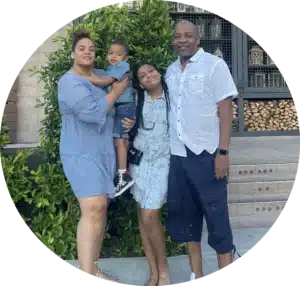
Jamie and Kevin T.
Module Benefits
Lorem ipsum dolor sit amet, consectetur adipiscing elit, sed do eiusmod tempor incididunt.
Learn the Psychoanalytic Roots of Anxiety
This module introduces the psychoanalytic framework, providing insights into how traumatic (reality-based) anxiety overwhelms a child in immediate, stressful situations, while neurotic (signal) anxiety stems from past trauma and defense mechanisms.
Recognize When Defense Mechanisms Are At Play
Parents will gain a deeper understanding of how children and teens rely on defense mechanisms, such as dissociation or avoidance, and how these behaviors signal deeper anxiety that needs to be addressed.
Gain Practical Tools to Help Your Child Navigate Their Anxiety
With a better understanding of traumatic and neurotic anxiety, you’ll be able to help your child process past traumas, break patterns of avoidance, and build healthier responses to their fears.
Help Steer Your Child’s Development
Subscribe to our newsletter for exclusive video updates, expert parenting strategies, and the latest insights in child development and mental health.